28. March 2026
Norovirus on Cruises: How It Spreads, How to Avoid It, and What to Do If You Get Sick
Disclaimer: This post is for educational purposes only and is not medical advice. Always consult with healthcare professionals for medical concerns.
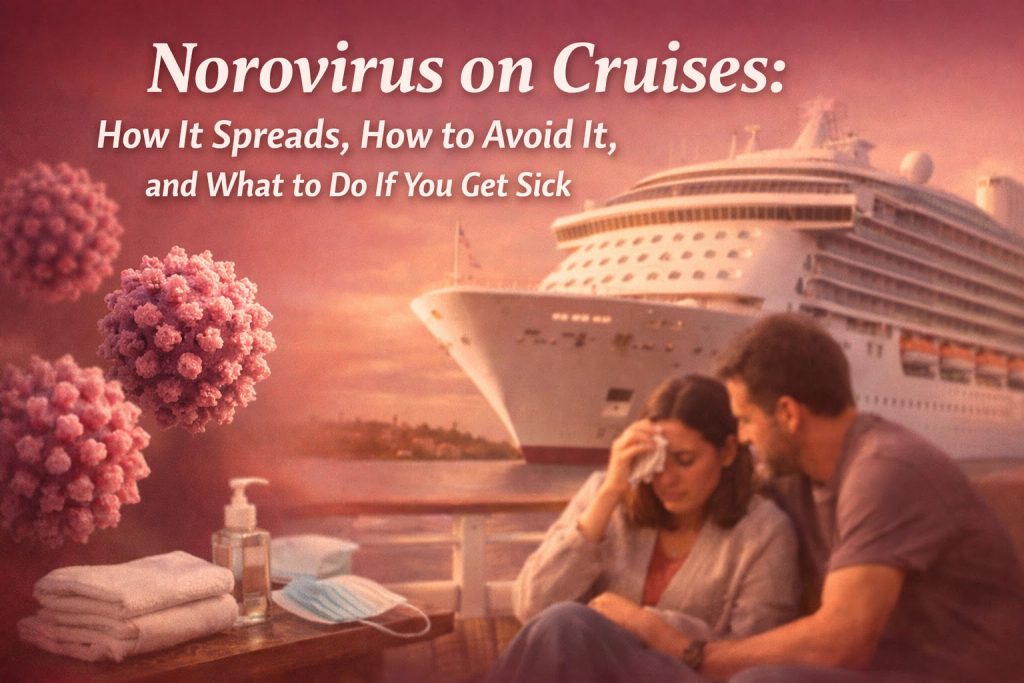
Let's talk about the thing nobody wants to think about when planning a cruise: norovirus. It's not glamorous, it's not fun, and honestly, it gets way more panic than it probably deserves, but it's real, and knowing the facts helps you enjoy your vacation without unnecessary worry (or unnecessary illness).
Norovirus is basically the overachiever of stomach bugs. It spreads fast, it hits hard, and it loves crowds. Cruises aren't uniquely cursed, norovirus outbreaks happen in schools, hospitals, hotels, and restaurants all the time, but ships get more attention because they're contained environments with a lot of people sharing a lot of spaces. When an outbreak happens at sea, it makes headlines. When it happens at a college dorm? Nobody writes about it.
So here's what you actually need to know: how norovirus works, why it seems to love cruises, and, most importantly, what you can do to protect yourself and what to do if things go sideways anyway.
What Is Norovirus, Anyway?
Norovirus is a highly contagious virus that causes gastroenteritis, which is a fancy word for "your stomach and intestines are extremely unhappy." Symptoms usually include nausea, vomiting, diarrhea, stomach cramps, and sometimes a low-grade fever or body aches. It hits fast: often within 12 to 48 hours after exposure: and it's miserable, but most healthy people recover in one to three days.
The CDC estimates norovirus causes about 19 to 21 million illnesses in the U.S. every year, so it's incredibly common. The reason it gets so much attention on cruises is the close quarters and shared facilities, which create the perfect storm for rapid transmission if even one person boards the ship while contagious.
Why Cruises Are Vulnerable
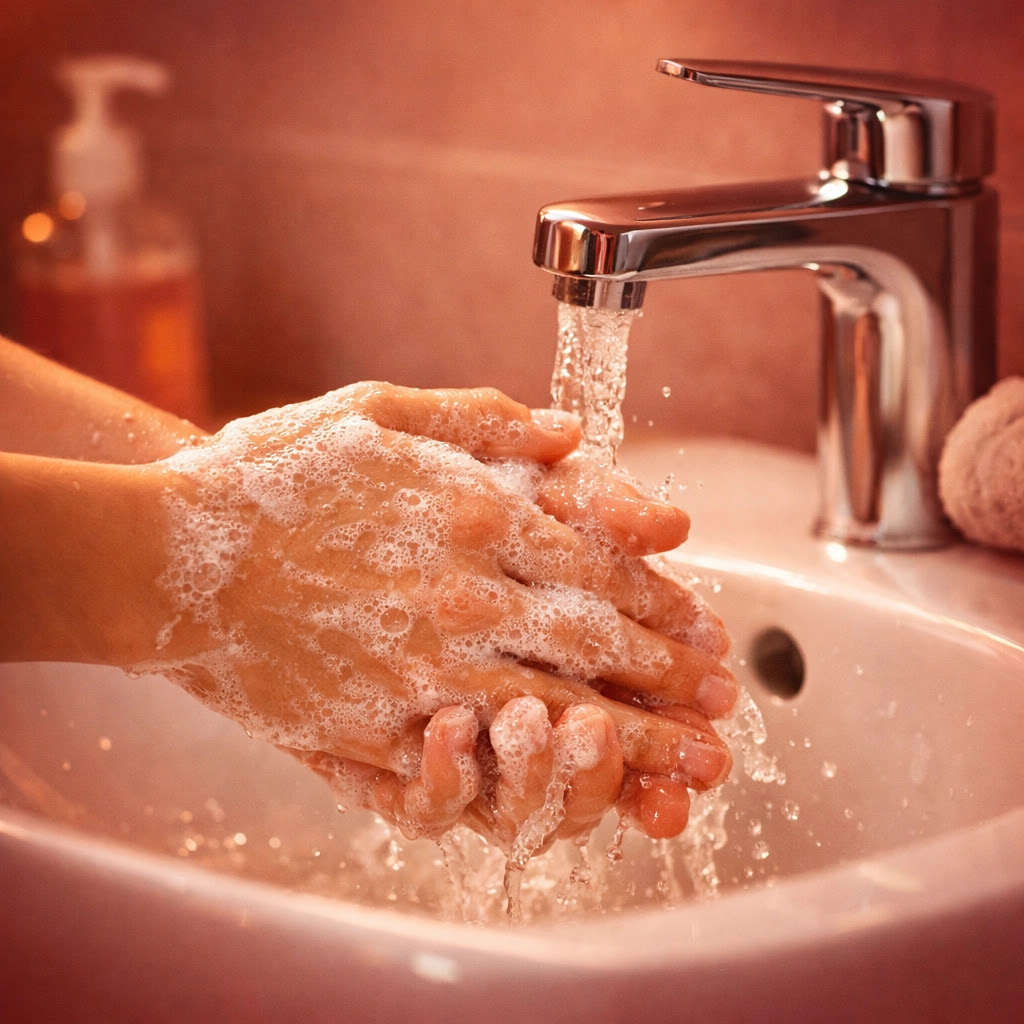
Cruise ships aren't uniquely dirty or dangerous: they're just uniquely compact. You've got thousands of people eating at the same buffets, touching the same elevator buttons, using the same handrails, and spending days together in a floating city. If one person brings norovirus onboard, it has a lot of opportunities to spread before anyone even realizes there's a problem.
Research shows that almost 90% of norovirus transmission on ships happens in public spaces: not in cabins, and rarely from shore excursions. The virus spreads when someone who's infected touches a surface (a handrail, a door handle, a buffet tong), and then someone else touches that same surface and later touches their mouth, nose, or food.
Here's the tricky part: some people are what researchers call superspreaders. About 10% of infected individuals are responsible for more than half of all secondary cases. These superspreaders often have milder or less obvious symptoms: less vomiting, less diarrhea: so they don't realize they're sick and don't isolate. They also tend to wait longer before seeking medical help, which means they're out in public spaces spreading the virus for a longer period of time.
How Norovirus Actually Spreads
Norovirus doesn't fly through the air like a cold. It spreads through what's called the fecal-oral route, which sounds gross because it is. Essentially, microscopic particles from an infected person's vomit or stool end up on surfaces, and then other people touch those surfaces and inadvertently transfer the virus to their mouths.
The virus is incredibly resilient. It can survive on surfaces for days, it's resistant to many common disinfectants, and it only takes a tiny amount: fewer than 20 viral particles: to make someone sick. For comparison, an infected person can shed billions of viral particles.
The highest-risk surfaces? Anything lots of people touch:
- Elevator buttons
- Handrails and stair railings
- Bathroom door handles (especially after someone uses the toilet and doesn't wash properly)
- Buffet serving utensils
- Touch screens (like the ones at check-in kiosks or activity booking stations)
- Your own phone, if you've been touching public surfaces and then scrolling
How to Protect Yourself (The Real Prevention Playbook)
The single most effective thing you can do is wash your hands with soap and water: and not just a quick rinse. You need at least 20 seconds of scrubbing (the classic "sing Happy Birthday twice" method actually works). Hand sanitizer is convenient, but it's not enough on its own because alcohol-based sanitizers don't kill norovirus as effectively as soap and water.
When to wash your hands:
Before eating or handling food
After using the bathroom (every single time, no exceptions)
After touching public surfaces like handrails or elevator buttons
Before touching your face, phone, or anything that goes near your mouth
After returning to your cabin from public areas
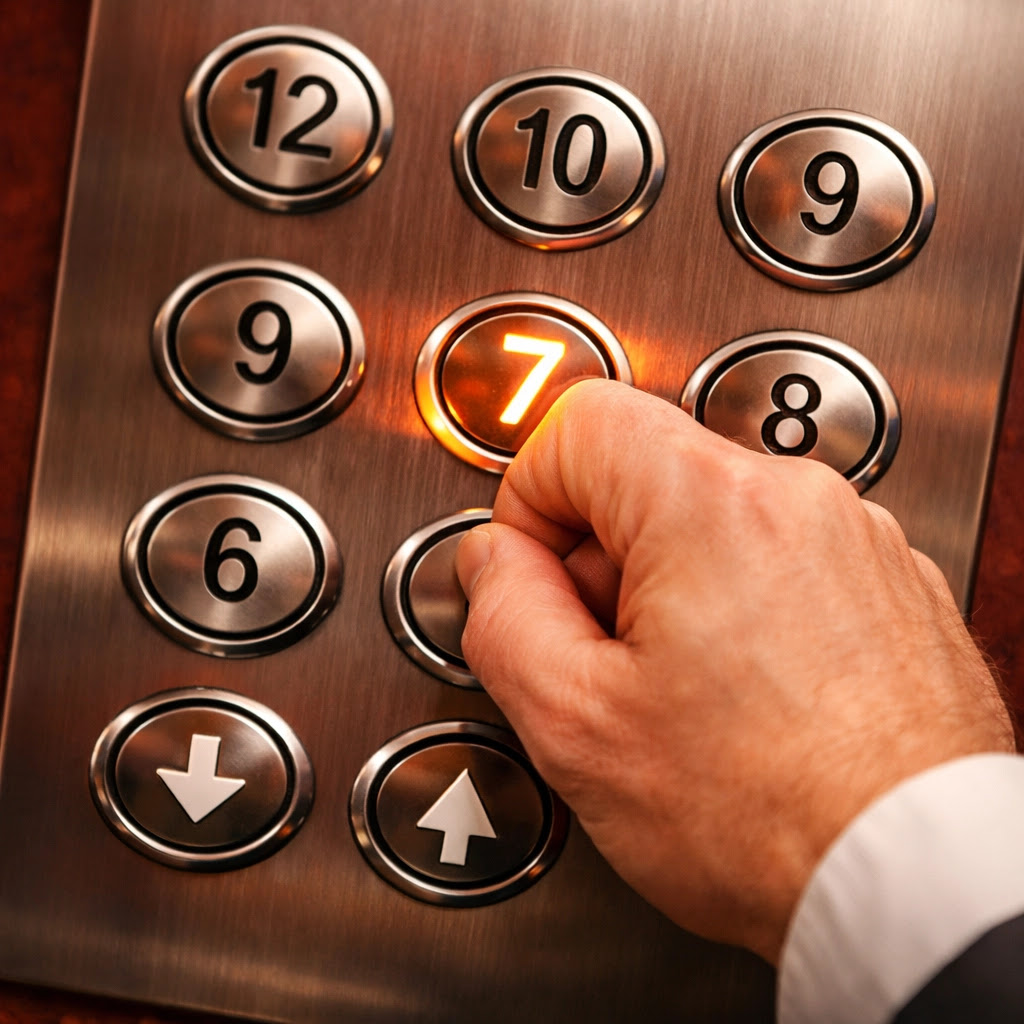
Most cruise lines station crew members at buffet and dining room entrances to encourage handwashing, and some have foot-pedal-operated sinks so you don't have to touch the faucet. Use them. Every time.
Here are additional smart habits:
Minimize direct contact with high-touch surfaces. Use a paper towel or your elbow to open bathroom doors. Use your knuckle (not your fingertip) to press elevator buttons. If you have to grab a handrail, wash your hands before you eat or touch your face.
Be strategic at the buffet. Don't reach over food. Don't touch serving utensils and then touch your face or phone. If the ship is using crew-served food instead of self-service during an outbreak, there's a reason: take advantage of it.
Keep your cabin clean. Wipe down high-touch surfaces in your cabin with disinfecting wipes: light switches, remote controls, door handles, the bathroom faucet. Most cabins get daily cleaning, but a quick wipe-down of the TV remote or phone never hurts.
Wash your hands in your cabin, too. Even if you're just coming back from a deck walk, wash your hands before you grab snacks or touch your face. Public spaces are where most transmission happens, and your hands are the bridge between those spaces and your body.
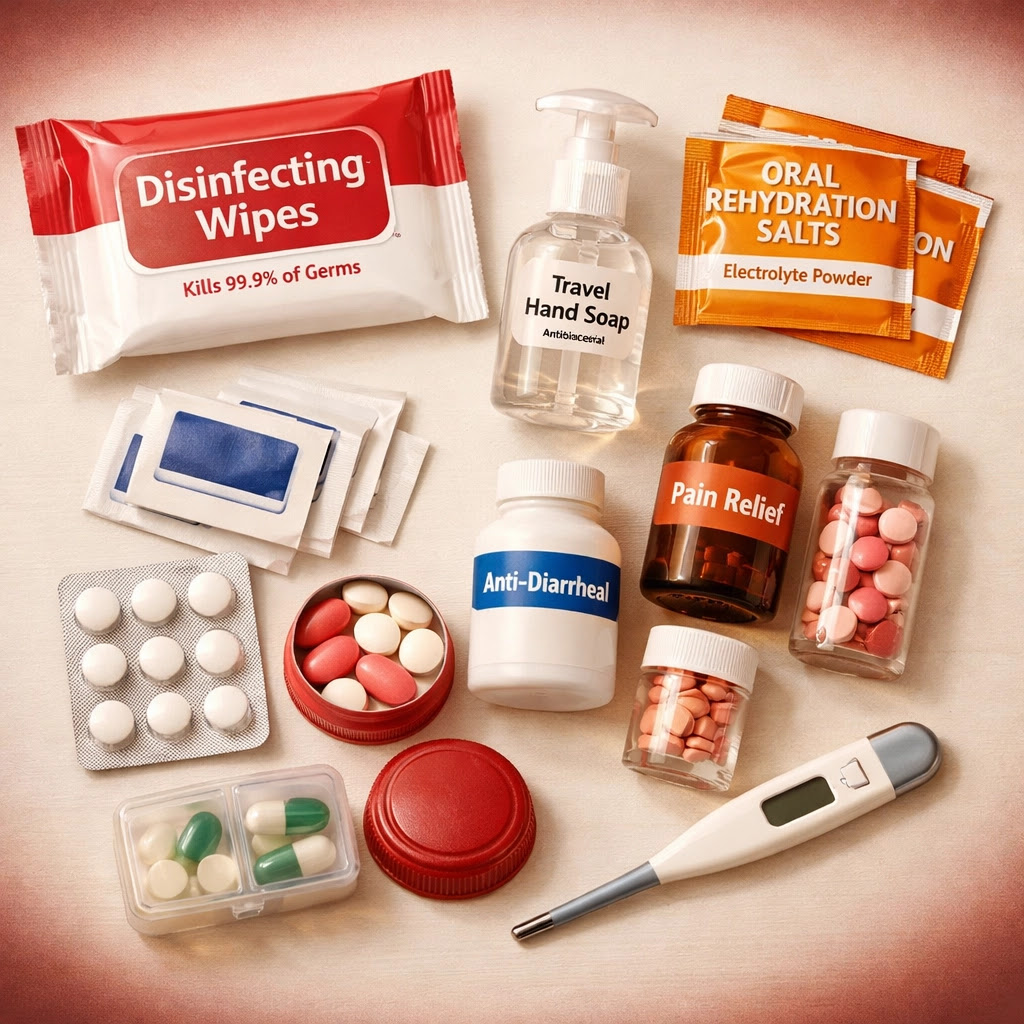
What to Pack (Your "Stay Healthy" Kit)
You don't need to overpack, but a few small items can make a big difference:
- Disinfecting wipes (for cabin surfaces and your phone)
- Hand soap (if you prefer your own brand)
- Oral rehydration packets (like Pedialyte or Drip Drop: they help replace electrolytes if you get sick)
- Anti-diarrheal medication (like Imodium, but check with a doctor first: sometimes it's better to let your body clear the virus)
- Anti-nausea aids (ginger chews, Sea-Bands, or over-the-counter meds)
- Basic first-aid items (pain relievers, thermometer)
These aren't norovirus-specific, but they're helpful for general wellness and peace of mind.
What to Do If You Get Sick
If you start feeling symptoms: nausea, vomiting, diarrhea, stomach cramps: here's what to do:
1. Contact the ship's medical center immediately. Don't wait. Early reporting helps the medical team track and contain potential outbreaks, and it gets you the care you need faster. Research shows that cutting diagnostic delays in half can prevent up to 81% of secondary cases.
2. Isolate yourself. Stay in your cabin to avoid spreading the virus to others. The cruise line will likely require this anyway, but it's the right thing to do. Most ships will deliver meals to your cabin and check on you regularly.
3. Hydrate, hydrate, hydrate. Norovirus causes dehydration through vomiting and diarrhea, so drinking fluids is critical. Water is good; oral rehydration solutions are better because they replace lost electrolytes. Sip slowly if you can't keep large amounts down.
4. Rest. Your body is fighting the virus. Sleep, stay comfortable, and give yourself permission to skip activities.
5. Wash your hands obsessively. Even in your cabin, wash your hands after using the bathroom and before touching anything shared (like the TV remote or door handle). This protects your cabin-mates and the crew who clean your room.
6. Know when to seek urgent care. If you can't keep any fluids down, if you see blood in your vomit or stool, if you're extremely dizzy or confused, or if symptoms last more than a few days, get medical help right away. Severe dehydration is dangerous, especially for kids, older adults, and people with underlying health conditions.
Myth-Busting
Myth: Hand sanitizer is just as good as soap and water.
Nope. Hand sanitizer is convenient, but it doesn't kill norovirus effectively. Soap and water physically wash the virus off your hands. Use sanitizer as a backup, not a replacement.
Myth: If I feel fine, I'm not contagious.
Wrong. People can spread norovirus for up to two weeks after symptoms stop, and some people (like those superspreaders) have mild symptoms and don't even realize they're sick. This is why handwashing is non-negotiable for everyone, not just people who feel ill.
Myth: Norovirus only spreads through food.
False. While contaminated food or water can spread the virus, the vast majority of cruise ship transmission happens through touching contaminated surfaces. That's why hand hygiene and surface cleaning matter so much.
Myth: If there's an outbreak on my ship, my whole cruise is ruined.
Not necessarily. Cruise lines have protocols to contain outbreaks quickly: enhanced cleaning, quarantine for sick passengers, sometimes switching to crew-served meals instead of self-service buffets. Most passengers don't get sick, and the ship continues operating. It's inconvenient, but it's manageable.
The Bottom Line
Norovirus is a real risk on cruises, but it's not inevitable, and it's not a reason to cancel your vacation. The key is simple: wash your hands like your vacation depends on it (because it kind of does), be mindful of high-touch surfaces, and act fast if you start feeling sick.
The CDC tracks cruise ship illness reports through the Vessel Sanitation Program, and cruise lines are required to report norovirus cases. You can check the CDC's website for recent outbreak data if you're curious, but remember: millions of people cruise every year without incident. You just hear about the outbreaks because they're newsworthy.
Stay smart, stay clean, and enjoy your cruise. The ocean's waiting.