
28. March 2026
First-Time Jitters? How to Overcome Your Cruise Fears and Actually Enjoy the Ride
So you've booked your first cruise. Congrats! Now comes the fun part: the pre-trip panic spiral where you convince yourself the ship will sink, you'll spend seven days hugging a toilet, and you'll somehow end up hopelessly lost in a floating city with a $3,000 unexpected bill.
Sound about right?
Look, first-time cruise anxiety is completely normal. You're about to board a massive floating hotel with thousands of strangers and sail off into the ocean. That's objectively kind of wild when you think about it. But here's the thing: millions of people cruise every year and come back raving about it. The secret? Understanding what's actually going to happen so your brain can chill out and let you enjoy the vacation you paid for.
Let's tackle those fears head-on.
The Safety Myth: No, You're Not on the Titanic
Let's get this one out of the way first because it's probably lurking in the back of your mind. Modern cruise ships are engineering marvels that make the Titanic look like a pool float with questionable safety standards.
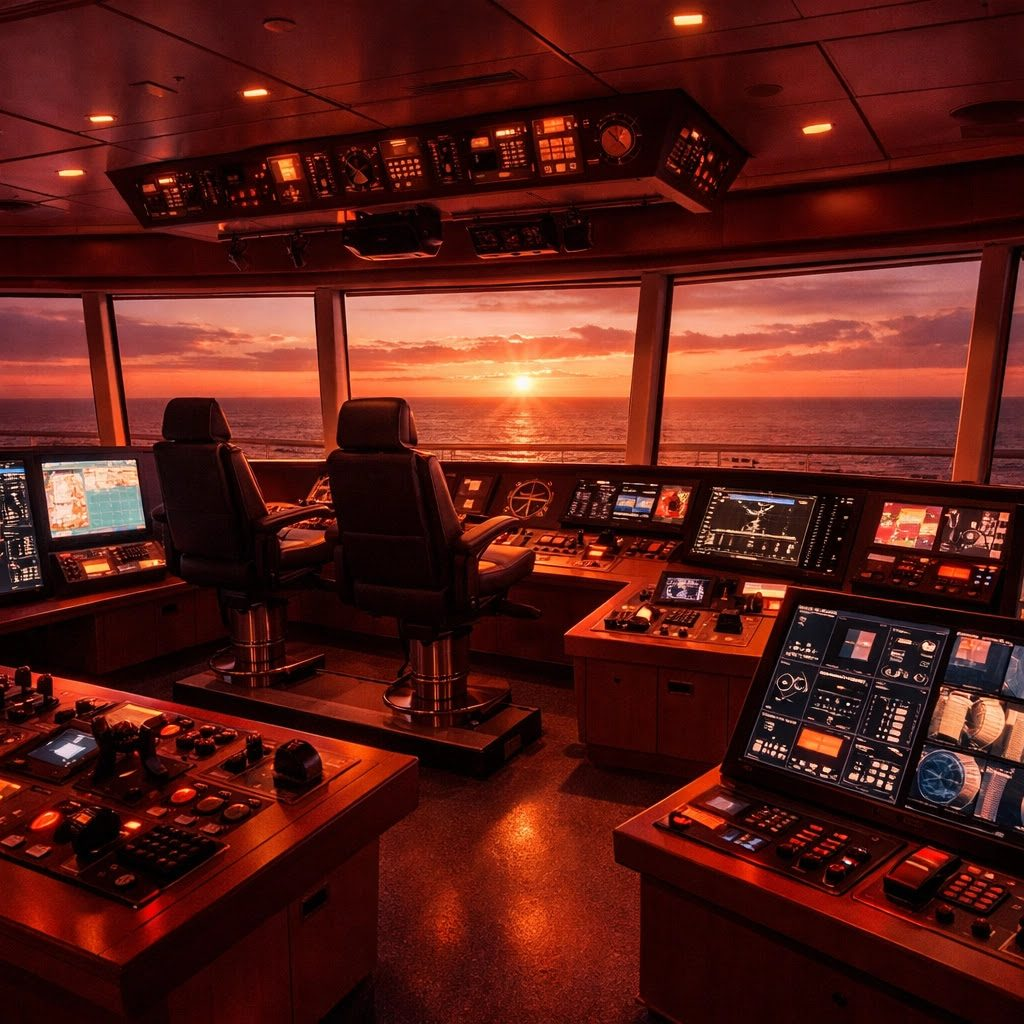
Today's ships have GPS navigation systems that can track icebergs (and everything else) from miles away. They've got radar, sonar, satellite weather tracking, and stabilizers that would make your car's suspension jealous. Plus, maritime safety regulations have come a long way since 1912: ships now have watertight compartments, redundant systems, and enough lifeboats for everyone onboard with room to spare.
And remember that safety drill (muster drill) you have to attend? The one that feels a bit dramatic? That's actually your best friend. It shows you exactly where to go and what to do in the extremely unlikely event of an emergency. Pay attention during it, note your muster station number, and then forget about it. The crew runs these drills constantly and has everything down to a science.
Ships also have medical facilities, 24/7 security teams, and bridge officers who've spent years training for every possible scenario. You're probably safer on a cruise ship than you are driving to work.
Conquering Seasickness: It's Not a Guarantee
"But what if I get seasick and spend the entire cruise in my cabin?"
Fair question. Seasickness is real, but it's also not the cruise-ruining nightmare you might be imagining. Modern cruise ships are equipped with stabilizers, basically massive underwater fins that counteract wave motion. On most days, you'll barely feel like you're moving at all.
That said, if you're prone to motion sickness, here's your game plan:
Choose your cabin wisely. Book mid-ship (the middle of the vessel) on a lower deck. This is where you'll feel the least movement since it's closest to the ship's center of gravity. Avoid the front (bow) and back (stern), which experience more motion.
Bring remedies. Pack some ginger candies, Sea-Bands (those acupressure wristbands), or talk to your doctor about prescription motion sickness patches. The ship's medical center also stocks remedies, but they'll cost you more than bringing your own.
Stay hydrated and avoid heavy foods until you get your sea legs: usually within the first day or two. If you do feel queasy, go outside to the fresh air and focus on the horizon. That helps your brain recalibrate what's happening.
And here's a secret: most people who worry about seasickness never actually get it. Your body adapts faster than you think.
Navigating the Giant: You Won't Be Lost Forever
Modern cruise ships are massive. Some have 18 decks and feel like small cities. The idea of getting lost can be genuinely intimidating, especially when you're trying to find that restaurant reservation or make it to a show on time.
But here's the truth: you'll figure it out faster than you expect, and the ship is designed to help you.
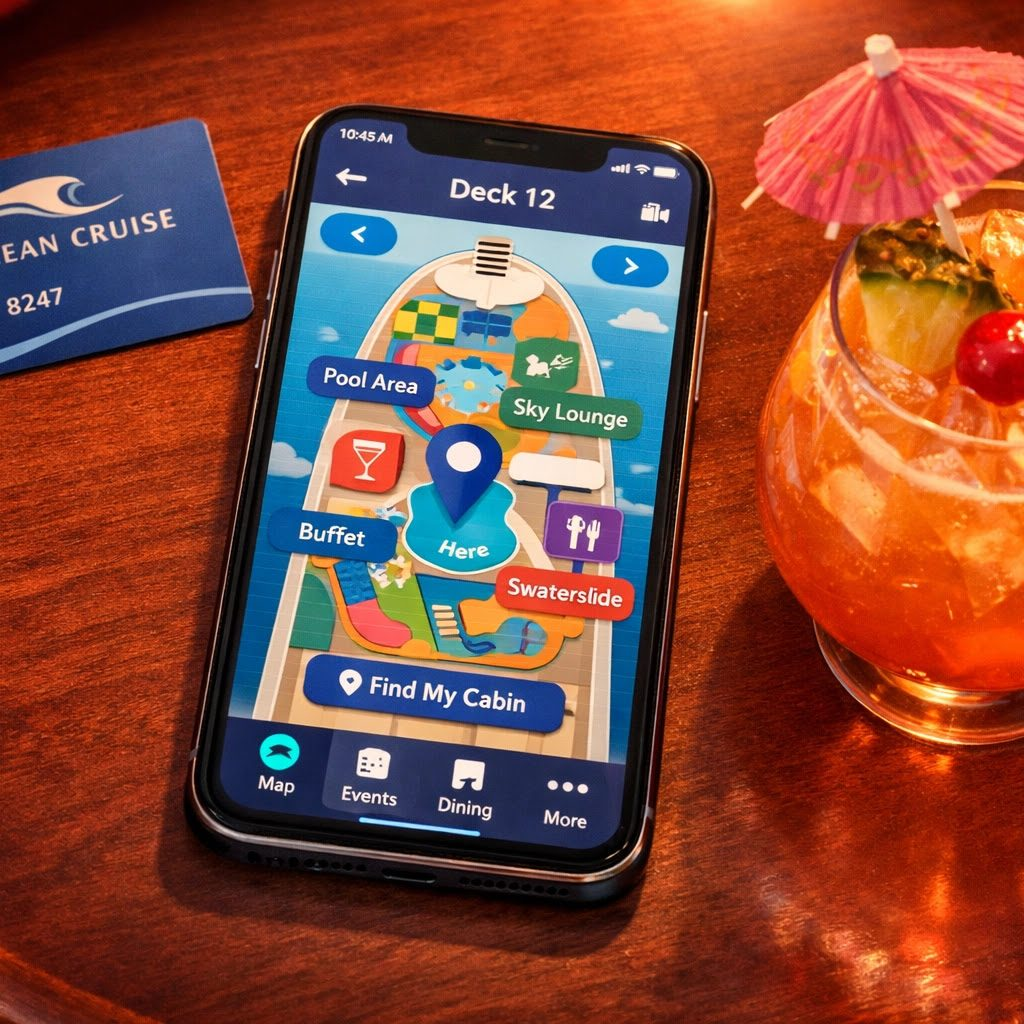
First move: download the ship's app before you board. Most cruise lines now have apps that show interactive deck maps, your daily schedule, dining reservations, and even your room service orders. It's like Google Maps for your ship. Keep it handy during the first couple of days.
Second move: take a self-guided tour on day one. Skip the buffet chaos and spend 30 minutes walking the ship from the top deck to the bottom. Note where the dining rooms are, where the pools and hot tubs sit, and where the theater and bars are located. Take a photo of the deck map posted near the elevator banks. This reconnaissance mission will save you hours of wandering later.
Pro tip: Ships use a color-coded system for elevators and stairways. Once you figure out which color is closest to your cabin, navigating becomes much simpler. And don't be shy about asking crew members for directions: they're incredibly helpful and won't judge you for being directionally challenged.
Within two days, you'll be walking around like you own the place.
Hidden Cost Anxiety: Know What You're Actually Paying For
This is the fear that keeps people up at night: "What if I end up with a massive bill at the end?"
Cruise pricing can feel confusing because some things are included and some things... very much aren't. Let's break it down so you can budget properly and avoid surprises.
What's typically included:
- Your cabin
- Main dining room meals and buffet
- Most onboard entertainment (shows, pools, fitness center)
- Kids' clubs and activities
What costs extra:
- Specialty restaurants (usually $15-$50 per person)
- Alcoholic drinks and soda (unless you buy a beverage package)
- Shore excursions
- Spa treatments
- Casino gambling
- Photos taken by ship photographers
- Wi-Fi (and it's expensive)
- Gratuities (usually auto-charged at about $15-$20 per person per day)
The key to avoiding sticker shock is setting a budget before you board. Decide how much you want to spend on drinks, excursions, and extras, then track it using the app or by checking your onboard account at guest services. You can even set a spending limit so you get alerted if you're approaching it.
Reality check: You can absolutely have an amazing cruise without spending much beyond what you've already paid. Stick to the included dining, free entertainment, and cheaper port activities (like just walking around the town). Or, plan for splurges and set that money aside in advance. Either approach works: just decide beforehand so you're not stressed about it mid-cruise.
The Stress-Free Start: Getting to the Port Without Losing Your Mind
Here's something nobody talks about enough: the most stressful part of your cruise might actually be getting to the ship.
You've got to coordinate flights, navigate an unfamiliar airport, figure out ground transportation, haul luggage, and arrive at the cruise terminal during a specific boarding window. If anything goes wrong: a delayed flight, traffic nightmare, or transportation no-show, you could literally miss your ship.
This is especially true if you're flying into a major hub like LAX and cruising out of Long Beach. The logistics can get messy fast.
The solution? Lock down reliable transportation before you even leave home.
A dedicated LAX to Long Beach shuttle service eliminates the guesswork. You're not gambling on rideshare surge pricing, dragging bags onto public transit, or navigating rental car returns under time pressure. You book it, they show up, they get you to the Long Beach cruise terminal with time to spare. Done.
Think of it as the "easy button" for the part of your trip that has the most potential to go sideways. When you're already nervous about the cruise itself, the last thing you need is transportation drama beforehand.
Services like Helping Hands Shuttle Service specialize in this exact route: LAX to Long Beach transportation designed specifically for cruise passengers. They know the terminals, they track your flight in case of delays, and they build in buffer time so you're not white-knuckling it in traffic, wondering if you'll make it.
It's one less thing to worry about, which means you can actually start your vacation the moment you land instead of stressing until you're physically on the ship.
You're Going to Be Fine (Really)
Look, it's normal to be nervous about trying something new, especially something as big as a cruise. But once you understand what to expect and prepare for the common concerns, most of that anxiety melts away.
Modern ships are incredibly safe. Seasickness is manageable and often doesn't even happen. You'll learn your way around faster than you think. Costs are controllable with a little planning. And getting to the port? That's the easiest problem to solve.
The best part? Once you're on board, settled into your cabin, and watching the coastline disappear as the ship pulls away, all those pre-trip jitters will feel pretty silly. You'll realize you're about to have an incredible week of not cooking, not cleaning, not driving anywhere, and not worrying about a single thing.
Just make sure you get there without the transportation stress. Book that shuttle to Long Beach cruise terminal early, show up relaxed, and let the vacation actually start on time.
You've got this.